Is Halifax a Good Place to Invest in Real Estate? (2026)
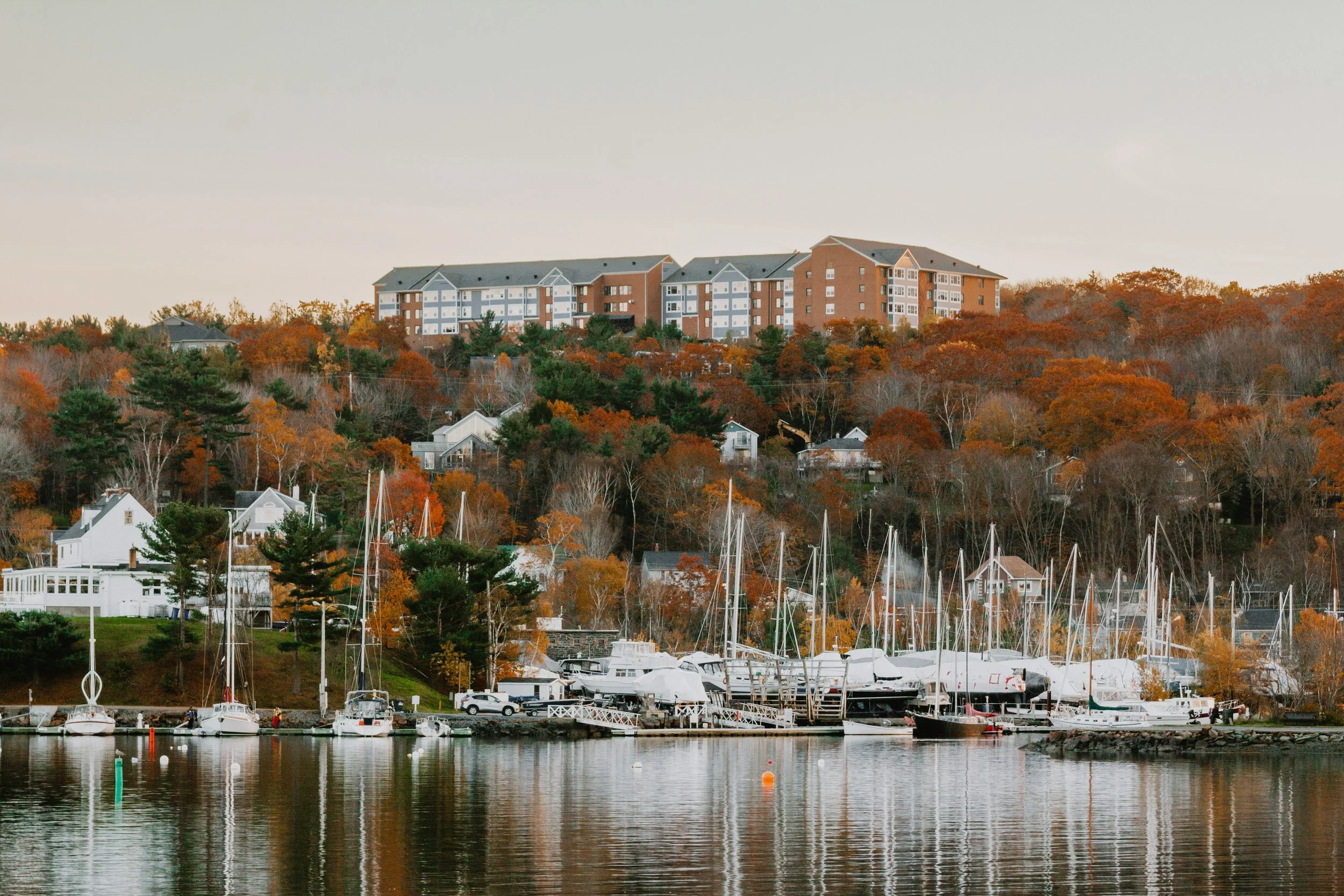
We would argue, yes, most definitely.
Halifax remains one of the stronger real estate investment markets in Atlantic Canada heading into 2026, driven by a 2.7% rental vacancy rate, steady population growth, and detached home prices that still sit well below Toronto and Vancouver. The market has shifted from the frenzy of 2021 to 2023 into balanced territory, which actually works in an investor's favour. You get more inventory, real negotiating room, and rents that have held strong. The catch is that returns now depend on buying the right property in the right neighbourhood, not just buying anything and riding the wave.
This is the honest breakdown. Prices, rents, cap rate math, the best neighbourhoods, and the rules you need to know before you write an offer.
What is the average home price in Halifax right now?
As of spring 2026, the average single-family detached home in Halifax Regional Municipality sits in the low-to-mid $600,000s. Across all property types, the HRM benchmark price is closer to $570,000, with condos averaging in the low-to-mid $400,000s.
For context, the average residential sale price across HRM crossed the $600,000 mark in late 2025 and continued climbing into 2026. Year-over-year appreciation has cooled to a low single-digit pace, down from the 7% range seen in 2024 and 2025. That is appreciation, not correction. Prices are holding while the market rebalances.
For an investor, the slower pace is a feature, not a bug. You are no longer competing against ten offers with no conditions. Inspection and financing clauses are back in most HRM deals. You can underwrite a property properly before you commit.
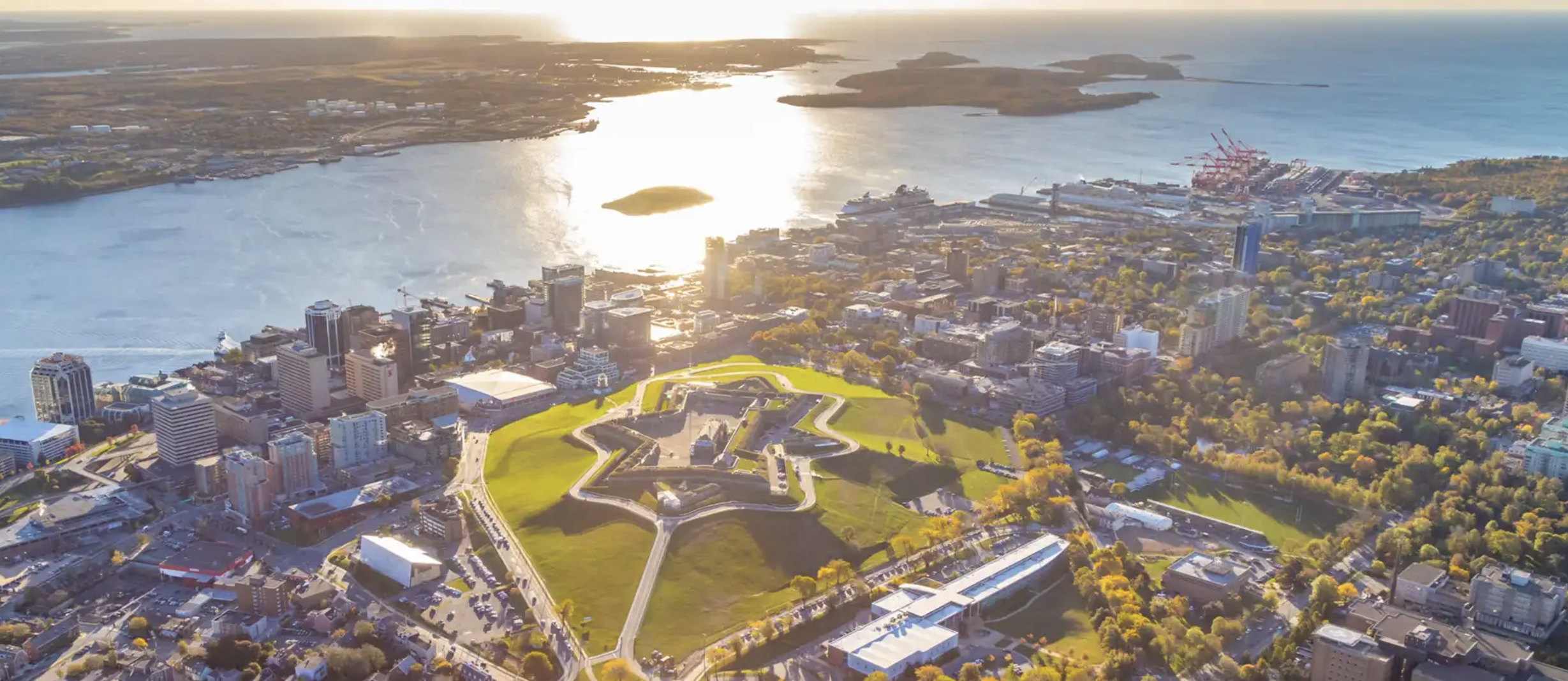
What kind of rent can a Halifax investment property bring in?
Halifax rents have transformed over the past five years. The city went from one of Canada's cheapest rental markets to a mid-range one.
Here is where rents sit as of early 2026:
One-bedroom units: roughly $1,770 to $2,100 per month
Two-bedroom units: asking rents in the low-to-mid $2,000s, with purpose-built stock closer to $1,700
Three-bedroom units: $3,000 and up in many areas
Demand is the real story. The Halifax CMA vacancy rate sat at 2.7% in the most recent CMHC survey, up from 2.1% the year before as record rental construction came online. That is still a tight market by national standards. Vacancy for units priced below $1,300 remains well under 1%, which means competition for affordable rentals is fierce and well-priced units lease fast.
How do you calculate cap rate on a Halifax property?
Cap rate is your annual net operating income divided by the purchase price. It is the cleanest way to compare investment properties on an apples-to-apples basis.
Here is a realistic Halifax example using a legal two-unit property.
Purchase price: $600,000
Gross annual rent: two units at $1,800 per month equals $43,200 per year
Operating expenses (property tax, insurance, maintenance, management, vacancy allowance): roughly $15,000 per year
Net operating income: $28,200
Cap rate: $28,200 divided by $600,000 equals 4.7%
A 4% to 5.5% cap rate is the realistic range for well-located residential rentals in HRM right now. Multi-unit and purpose-built rental properties tend to land at the higher end. Single detached homes rented as one unit usually come in lower, because you are paying a premium for the land and the resale appeal rather than the income.
The number that matters most is the one you run yourself, on the actual property, with actual expenses. Pro forma rents from a listing are a starting point, not a fact. This is exactly where having an appraiser on the team changes the math. Ben Chisholm is an AACI-designated appraiser, which means we can pressure-test a property's real value and income potential before you overpay for someone else's optimistic spreadsheet.
What are the best neighbourhoods to invest in Halifax?
The right neighbourhood depends on your strategy. Cash flow, appreciation, and tenant quality do not always live in the same postal code.
Dartmouth is the value play. You get lower entry prices than the Halifax peninsula, strong rental demand, and ongoing redevelopment that is pulling the area up. It is one of the better spots in HRM to find a property where the rent actually covers the carrying costs. See our Dartmouth community guide for the neighbourhood-level detail.
Bedford and Sackville offer strong, stable tenant demand and have seen some of the steepest rent growth in the region. Bedford skews toward higher-end family rentals, while Sackville gives you more affordable entry points. The Bedford community page breaks down what is driving demand there.
Fall River is where new construction and long-term appreciation meet. It is a growth corridor, family-oriented, and home to developments like Kinloch Estates. This is a hold-and-appreciate market more than a high-cap-rate market. Read the Fall River community guide for the full picture.
Cole Harbour rounds out the value options with solid family rental demand and prices that leave room for cash flow.
Should you buy new construction or resale as an investment?
Both work. They serve different goals.
Resale gets you income from day one, an established neighbourhood, and a price you can often negotiate. The tradeoff is older systems, deferred maintenance, and surprises behind the walls.
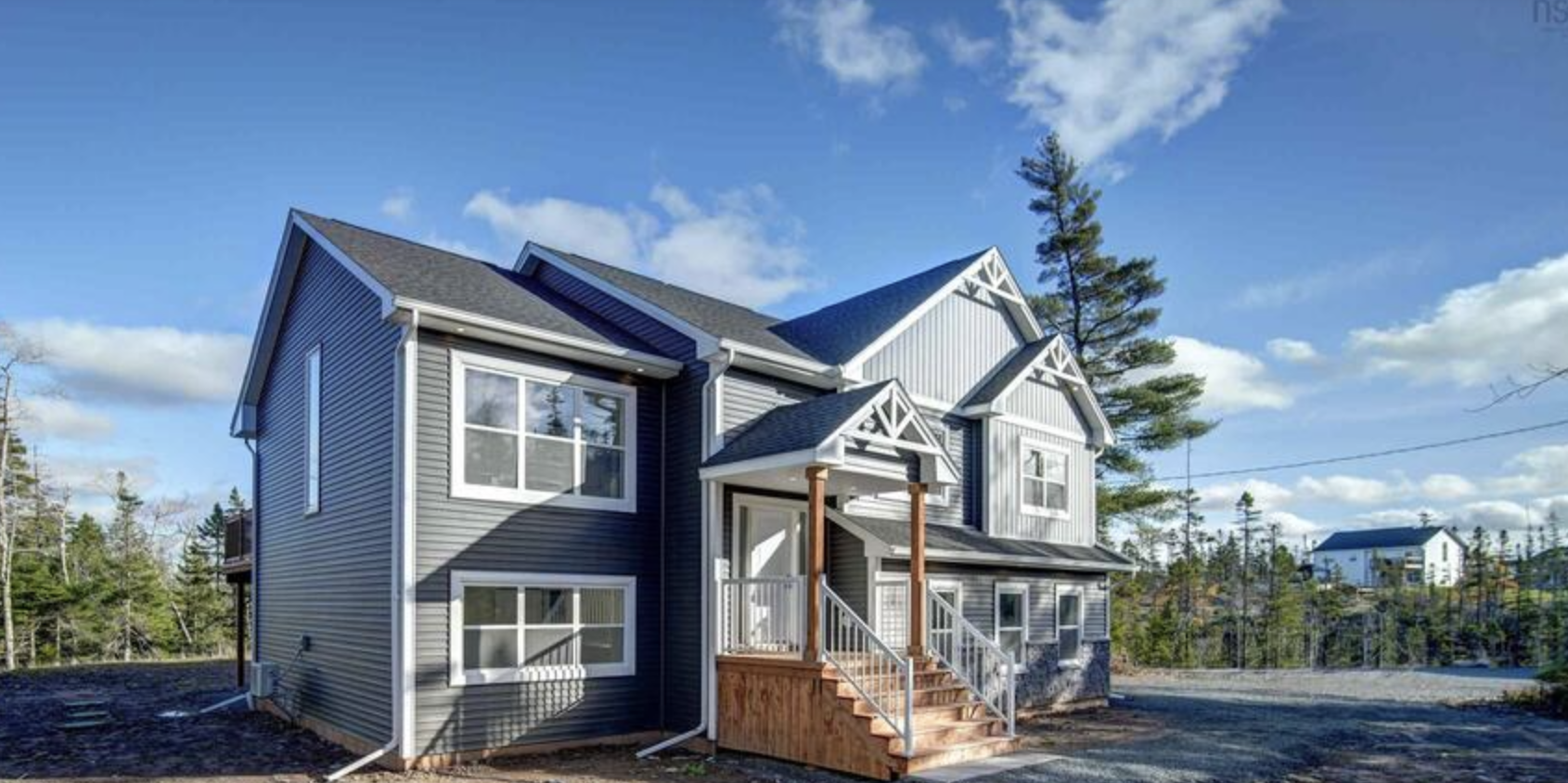
New construction gets you lower maintenance, modern energy efficiency, warranty coverage, and a property that attracts quality long-term tenants. The tradeoff is a higher entry price and, in many cases, a build timeline.
For investors focused on minimizing headaches and holding for appreciation, new construction in a growth corridor is hard to beat. Our partnership with Marchand Homes on developments like Kinloch Estates in Fall River gives us direct access to new construction inventory and a real read on build quality and timelines. If you want the full comparison, our new construction services page walks through the process end to end.
What about Nova Scotia's rent cap and landlord rules?
You need to underwrite around the rules, not against them.
Nova Scotia currently caps annual rent increases at 3% for existing tenants. The cap does not apply when a unit turns over to a new tenant, which is why turnover units have historically rented for significantly more than long-held ones. The province has also tightened rules around fixed-term leases to stop landlords from using them to sidestep the cap.
The practical takeaway for investors is simple. Buy on the in-place numbers and the realistic market rent, not on the assumption that you will push rents 10% a year. Factor the 3% cap into your hold-period projections. Properties with below-market rents and a path to legal turnover can be opportunities, but only if you understand the rules first.
Is now the right time to invest in Halifax?
For a long-term investor, yes. The fundamentals that make Halifax work are still intact. Strong in-migration, a diversified economy, relative affordability against the big Canadian markets, and a rental market that stays tight despite new supply.
The balanced market is the opening. You have negotiating power that did not exist two years ago. You can include conditions, do proper due diligence, and buy on numbers that make sense. The investors who do well over the next 18 to 36 months will be the ones who underwrite carefully and buy the right asset, not the ones who panic-bought at the top.
That is the work we do every day. The Chisholm Group is a family team at Sutton Group Professional Realty, and we are the only Halifax family real estate team with an AACI-designated appraiser in-house. That means when you bring us a deal, you get a real valuation, real cash flow analysis, and a straight answer on whether the numbers work.
If you are thinking about an investment property in HRM, book a call or start with our investment property services. We will run the actual numbers with you.
Frequently asked questions
Is Halifax a good place to buy an investment property in 2026? Yes, for long-term investors. Halifax has a 2.7% rental vacancy rate, steady population growth, and detached prices in the low-to-mid $600,000s, well below Toronto and Vancouver. The balanced market gives investors negotiating room that did not exist during the 2021 to 2023 frenzy.
What is a good cap rate in Halifax? A 4% to 5.5% cap rate is realistic for well-located residential rentals in HRM as of 2026. Multi-unit and purpose-built rentals tend to land at the higher end, while single detached homes rented as one unit usually come in lower.
Which Halifax neighbourhood is best for cash flow? Dartmouth, Sackville, and Cole Harbour offer the strongest cash flow potential because of lower entry prices paired with steady rental demand. Bedford and Fall River lean more toward appreciation than immediate cash flow.
Can you still cash flow a rental in Halifax with current prices and rates? Yes, but it depends on the property. Multi-unit properties in Dartmouth and Sackville are where the math works most often. Single-family detached rentals in higher-priced areas are usually appreciation plays rather than cash flow plays.

Written by the Chisholm Group at Sutton Group Professional Realty, Halifax's family real estate team specializing in buying/selling family homes, investment, new construction, and resale across HRM.